

Take a look at any app store, and you’ll see the digital fitness market is wildly competitive. But scratch beneath the surface, and you’ll find a massive vulnerability: the churn crisis. Users sign up with enthusiasm, download the app, and then, after just a few weeks, they vanish. Why? Because generic, one-size-fits-all workout plans fail to account for Monday’s insufficient sleep, yesterday’s intense run, or a sudden knee twinge. They lack empathy and adaptability. The solution is no longer about better videos; it’s about better intelligence. This is why specialized fitness software development services are turning to Artificial Intelligence (AI) and Machine Learning (ML). These intelligent systems are the definitive solution for personalization, driving long-term user retention by making the application feel like a dedicated, highly attuned personal coach rather than a static program.
The Mechanics of AI-Driven Personalization
Adaptive Workout Planning via Machine Learning
The most frustrating thing about generic fitness apps is the workout plan that insists you deadlift heavy on a day you are already mentally and physically exhausted. It’s a recipe for burnout and, worse, injury. This is where the ML revolution begins. Fitness tracking software development services build algorithms that ingest real-time biometric and contextual user data: heart rate variability, progress speed, fatigue levels, self-reported fatigue levels, and even time constraints. Based on this continuous stream of information, the software dynamically generates and modifies the workout plan daily. The experience is truly adaptive; the workout plan evolves based on your actual performance and capacity, preventing plateaus and minimizing injury risk, thereby keeping you consistently engaged and feeling successful.
Tailored Nutrition and Recovery Guidance
Training is only half the battle. What you put in your body and how you recover are just as critical, and this is another area where AI excels. ML models process complex user inputs—dietary preferences, estimated caloric burn rates from the day’s workout sessions, and integrated biometric data like sleep quality—to offer highly dynamic meal suggestions and recovery advice. Did you crush a high-intensity session? The app might increase your protein recommendation and advise an extra hour of sleep. This seamless integration of fitness, nutrition, and lifestyle guidance solidifies the app’s value proposition, making it an indispensable part of the user’s life.
Combating Drop-Off: Smart Alert Systems
Identifying and Flagging Churn Risk
The single most significant metric for any subscription fitness app is retention. It’s cheaper to keep a user than to acquire a new one. Custom fitness software development focuses heavily on building predictive ML models specifically designed to analyze subtle user engagement patterns. They track early warning signs: declining login frequency, shorter session lengths, or a sudden drop in workout completions. When the model identifies a user as high-risk—likely to churn—it allows the platform to intervene proactively with targeted re-engagement strategies before that user deletes the app forever. You are essentially giving your platform foresight.
AI Churn Intervention Strategies:
- Sending personalized, motivational messages referencing past achievements.
- Offering temporary, easier “re-entry” workout modules.
- Scheduling a push notification reminder based on the user’s habitual workout time.
Contextual and Motivational Nudging
We all ignore generic push notifications. They are annoying, not motivating. But what if the alert was perfectly timed and uniquely relevant? That’s the difference made by contextual intelligent alerts. The AI determines the optimal moment, format, and content for a message based on inferred user behavior. For instance, sending a workout reminder when the user is geographically near their habitual gym, or perhaps a healthy recipe suggestion precisely when they usually start thinking about dinner, right after a high-intensity session. This intelligent “nudging” feels helpful and supportive, not intrusive, and builds trust and strengthens the user-platform bond.
Strategic Development and Competitive Advantage
Integrating Biometric and Wearable Data Seamlessly
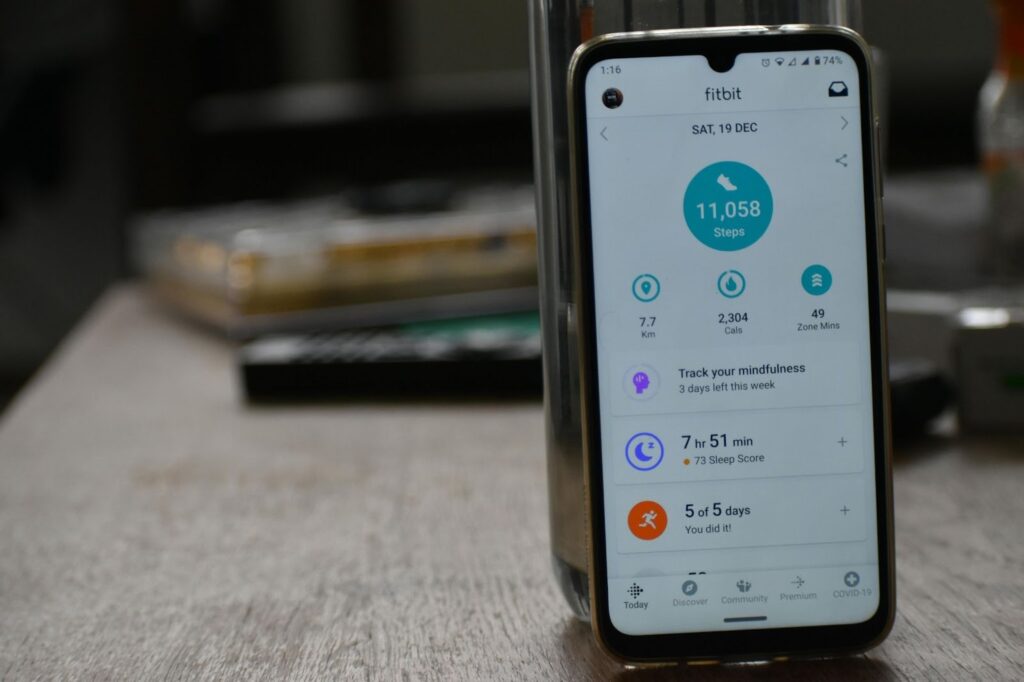
Effective personalization is useless without high-quality data. That means deep, reliable integration with the vast array of wearable devices people use—Apple Watch, Fitbit, Garmin, and everything in between. Specialized Fitness Software Development Services must build robust APIs and robust data synchronization layers to reliably and securely ingest complex biometric data. This technical heavy lifting ensures that the AI models receive the necessary high-quality input—the “fuel”—needed for accurate, life-changing recommendations. This seamless data exchange is the foundation of a modern fitness application.
Future-Proofing the Platform for New Modalities
The digital fitness market is volatile, and trends change constantly. Today it’s home rowing; tomorrow it might be AR-guided stretching. Any successful platform needs a modular, AI-centric architecture that can evolve quickly. Investing in custom fitness software development provides this architectural flexibility, ensuring the software can promptly integrate future fitness trends (VR/AR workouts, new sensor technologies) without requiring major, costly overhauls. This future-proofing is the key to maintaining a competitive edge in a rapidly shifting technological landscape.
Conclusion
The strategic partnership with expert fitness software development teams to implement AI and ML is not merely an upgrade; it is revolutionizing user retention. By moving from generic, frustrating programs to hyper-personalized, adaptive workout and recovery plans, and leveraging powerful predictive churn modeling, modern fitness platforms can build profound user loyalty. This approach drastically reduces drop-off rates and achieves sustainable, profitable growth in an otherwise crowded, unforgiving digital space.