
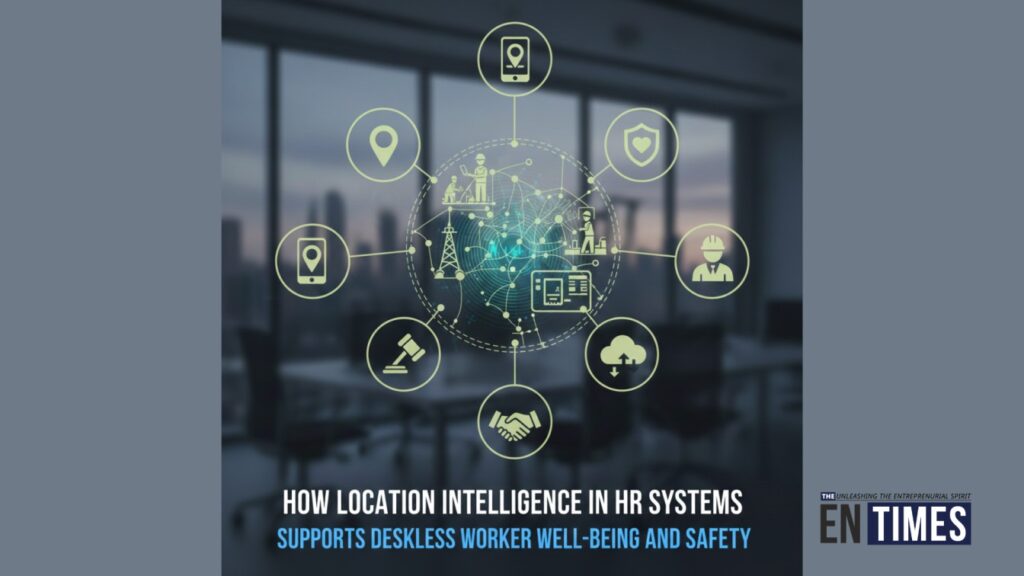
Deskless workers make up about 80% of the global workforce, yet they often lack access to the digital tools and support that office employees take for granted. These employees in healthcare, retail, manufacturing, and other industries face unique challenges that affect their safety and well-being. Their jobs often require them to move between different locations, work alone, or handle physically demanding tasks without the same level of oversight as their desk-based colleagues. Location intelligence in HR systems is becoming essential for protecting deskless workers and improving workplace safety in high-risk environments.
Location intelligence built into HR systems helps companies track where their deskless workers are, respond faster to emergencies, and create safer work environments through real-time data. This technology goes beyond simple time tracking. It allows HR teams to monitor worker locations during shifts, verify that employees arrive at job sites safely, and send help quickly if something goes wrong.
However, many companies still struggle to support their deskless workforce effectively. The right technology can bridge this gap and provide better protection for employees who work outside traditional office settings. This article explores how location-based tools in HR systems can improve both safety outcomes and overall well-being for deskless workers.
Why Location Intelligence in HR Systems Matters for Deskless Workers
Location intelligence transforms how organizations protect and support their deskless employees. Real-time positioning data enables safety monitoring, prevents incidents before they occur, and tailors support to workers based on their physical location and unique needs.
Improving Real-Time Worker Safety
Location-based technology provides immediate visibility into where frontline workers operate at any given moment. This capability proves particularly valuable for lone workers, night shift staff, or employees in hazardous environments. Organizations can monitor worker positions across multiple sites simultaneously and respond quickly if someone needs assistance.
An HR system for deskless workers that incorporates location intelligence enables managers to verify that employees arrive safely at remote job sites. The system can detect unusual patterns, such as extended periods without movement or workers entering restricted zones. Automated alerts notify supervisors immediately so they can check on staff welfare.
Wearable devices and mobile tracking solutions allow workers to signal for help with a single button press. The technology pinpoints their exact location, which reduces response times during emergencies. For example, healthcare workers who visit patients alone can access instant support if they encounter threatening situations.
Proactive Incident Prevention
Location data helps organizations identify and address safety risks before incidents happen. Patterns emerge from analyzing where workers spend time, which routes they take, and which locations generate repeated concerns. HR teams can use these insights to modify work schedules, adjust staffing levels, or improve site conditions.
Geofencing creates virtual boundaries around specific areas and triggers alerts if workers enter dangerous zones without proper authorization. This technology prevents accidents in construction sites, warehouses, or industrial facilities. Organizations can also set up proximity alerts that warn workers about nearby hazards or equipment.
Historical location data reveals trends that inform better resource allocation. If multiple workers regularly arrive late to certain sites due to poor transport links, managers can adjust shift start times or arrange alternative transportation. Temperature and environmental sensors combined with location tracking help protect outdoor workers from extreme weather conditions.
Personalized Support for Remote Employees
Location intelligence allows HR departments to deliver tailored support based on where employees work. Different sites may have distinct challenges, from equipment availability to local health resources. Organizations can customize training, benefits, and assistance programs to match geographical needs.
Remote workers receive location-specific information about nearby facilities, emergency contacts, and available services. A field technician working far from the main office can access details about the closest medical clinic or equipment supplier. HR systems can automatically suggest relevant resources based on an employee’s current position.
Mental health and well-being programs benefit from location context as well. Employees in isolated areas may need different support structures than those in busy urban centers. Organizations can schedule virtual check-ins more frequently for workers who spend long periods alone or match employees with peer support networks in their region. Location data also helps HR teams distribute wellness resources fairly across all sites rather than concentrating them at headquarters.
Integrating Location Intelligence With HR Systems for Improved Safety
Modern HR systems use location intelligence to protect deskless workers through real-time tracking, immediate risk alerts, and secure health monitoring capabilities that respond to emergencies faster while respecting worker privacy.
Automated Risk Alerts and Notifications
Location-based systems detect hazards and send instant alerts to workers and supervisors based on their exact position. GPS and RFID technologies track employee locations and compare them against known danger zones, such as construction sites with heavy machinery or areas with poor air quality. The system sends automatic notifications through mobile devices or wearables to warn workers before they enter high-risk areas.
HR teams can configure these alerts to match specific safety protocols for different job sites. For example, a system can notify a lone worker to check in every two hours or alert managers if an employee remains motionless for an extended period. These automated notifications reduce response time during accidents because supervisors know exactly where help is needed.
The technology also logs all alerts and responses to create a detailed safety record. This documentation helps HR departments identify patterns in workplace incidents and adjust safety procedures accordingly. Real-time notifications work best through integration with existing communication tools that workers already use, such as mobile apps or text messages.
Health Monitoring and Emergency Response
Location intelligence speeds up emergency response by pinpointing the exact position of workers who need immediate help. First responders access live location data to reach injured employees faster, which can save lives in serious accidents. The system tracks evacuation routes and confirms that all workers have left dangerous areas during emergencies.
Wearable devices paired with location tracking monitor worker health metrics like heart rate, body temperature, and fatigue levels. HR systems analyze this data to identify employees who might need medical attention or rest breaks. For instance, outdoor workers in extreme heat conditions receive alerts to hydrate or move to cooler locations before heat exhaustion occurs.
Emergency protocols activate automatically based on specific triggers. If a worker’s device detects a fall or sudden impact, the system sends an immediate distress signal with their coordinates to emergency contacts. This eliminates delays that occur during manual reporting and provides precise information that emergency teams need to prepare appropriate responses.
Data Privacy and Ethical Considerations
Organizations must balance safety benefits with worker privacy rights through clear policies about data collection and usage. HR departments should disclose what location information they collect, how long they store it, and who can access it. Workers need transparent information about tracking parameters, such as whether monitoring occurs only during work hours or extends beyond shifts.
Companies should limit location tracking to work-related purposes only. The system should not monitor employee movements during breaks or off-duty hours unless required by specific job functions. Access to location data must be restricted to authorized personnel who need this information for safety or operational reasons.
Regular audits verify that the organization follows data protection regulations and respects employee consent. HR teams should provide workers with options to review their own location history and report concerns about inappropriate tracking. Strong encryption protects stored location data from unauthorized access or breaches that could expose sensitive information about employee whereabouts.
Conclusion
Location intelligence transforms how organizations protect and support their deskless workforce. These workers represent 80% of the global workforce, yet they often lack access to the same digital tools and safety measures available to office-based employees. HR systems that use geo-location technology can track employee whereabouts, monitor safety conditions, and respond quickly to emergencies.
Organizations benefit from real-time data that helps them identify risks, improve communication, and create safer work environments. Deskless workers gain better access to support, resources, and wellness programs that match their specific needs and schedules. The technology bridges the gap between field-based employees and central HR teams, which leads to stronger connections and more effective care.
Companies that invest in location-based HR solutions demonstrate their commitment to worker safety and well-being across all roles.